What is a Monroney label?
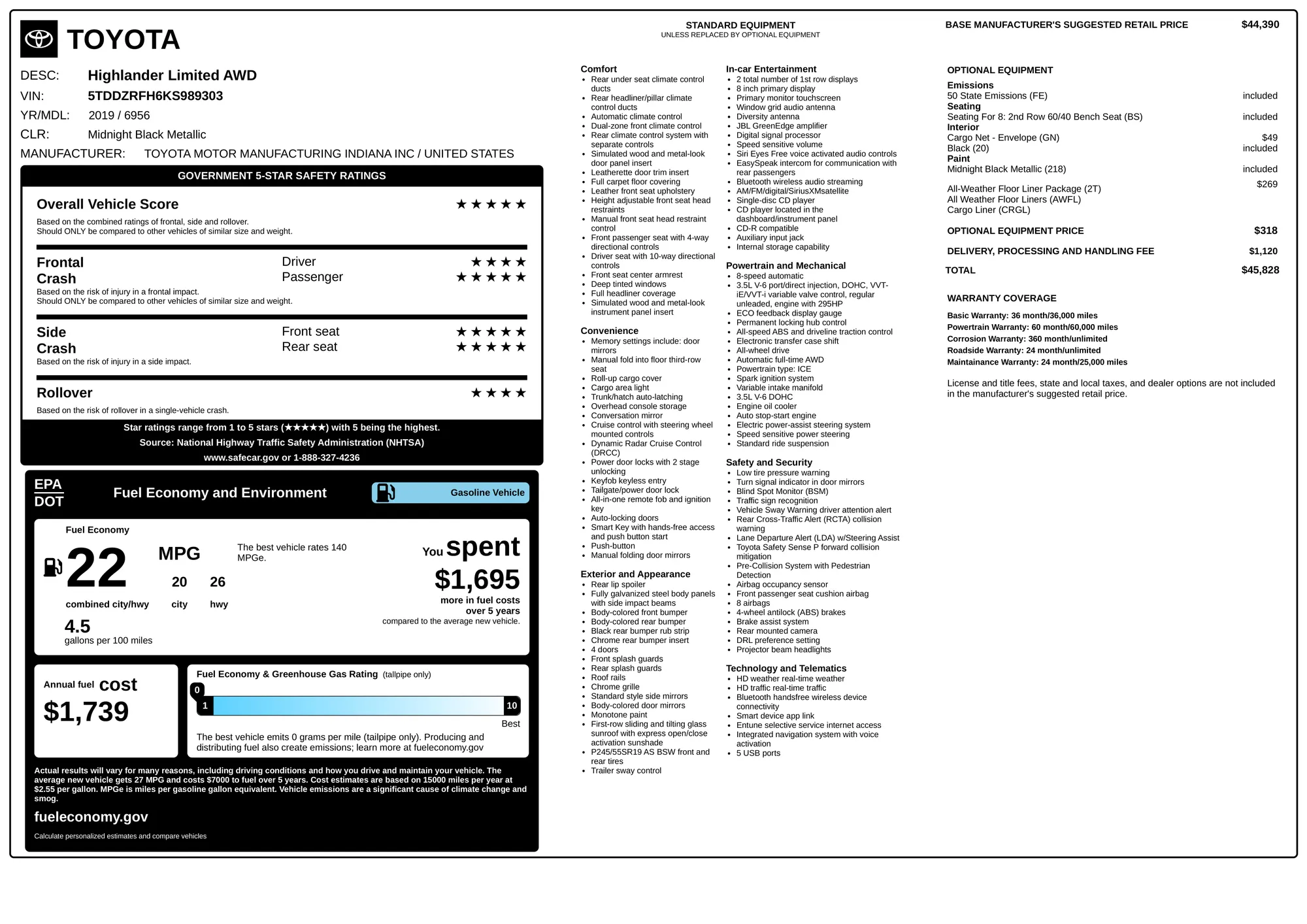
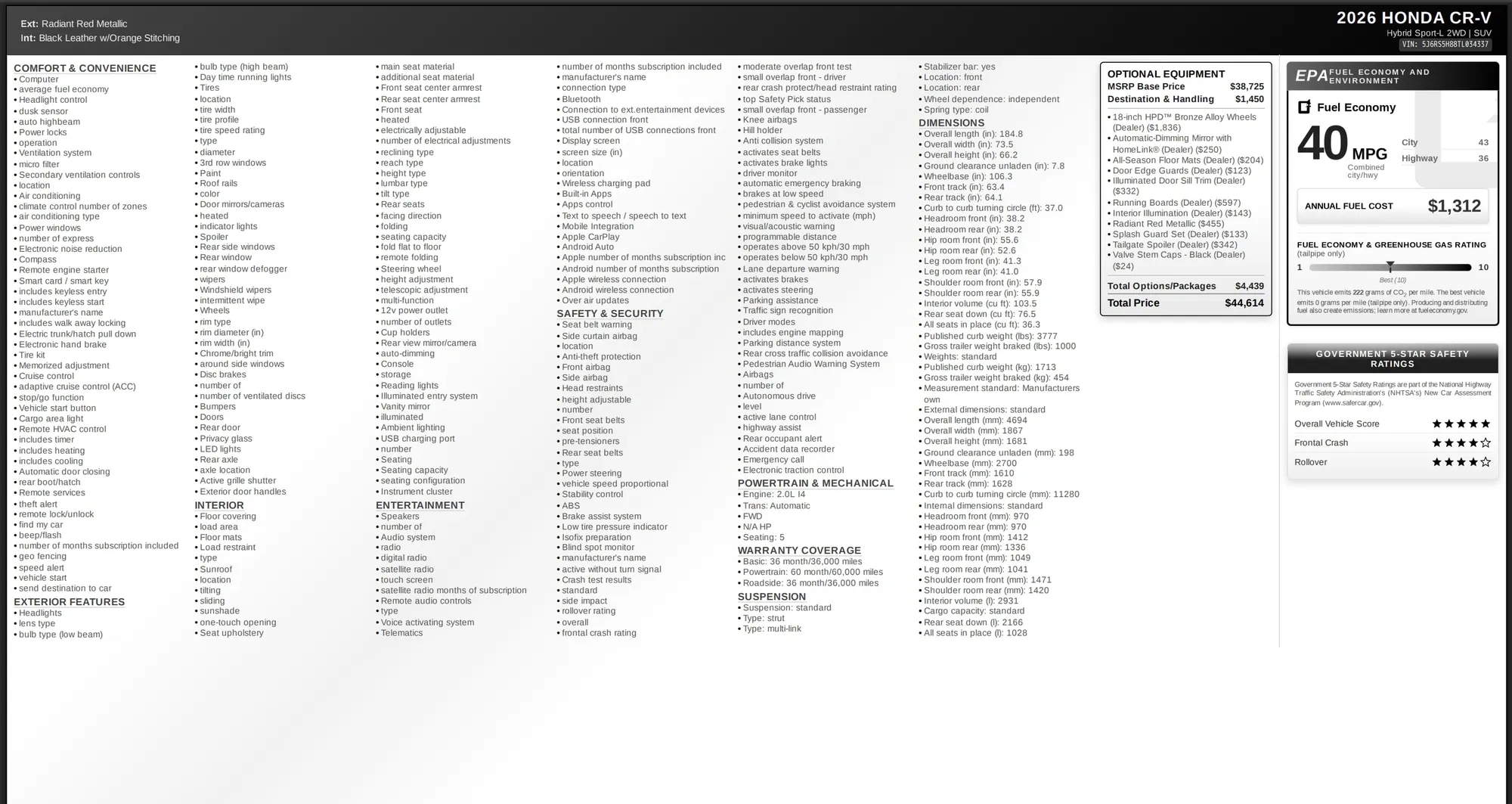
A Monroney label is the federally mandated window sticker every new vehicle carries, listing its original MSRP, factory-installed equipment, fuel economy, and safety ratings. We recreate your vehicle's original Monroney label from its VIN, even if the physical sticker is long gone.
Why is it called a Monroney sticker?
It is named after U.S. Senator A. S. "Mike" Monroney of Oklahoma, who sponsored the Automobile Information Disclosure Act of 1958. The law, codified at 15 U.S.C. Sections 1231-1233, requires the label on every new passenger vehicle sold in the United States.
Is a Monroney sticker required by law?
Yes, for new vehicles. The manufacturer must attach the label before the vehicle is delivered to the dealer, and the dealer must leave it in place until the vehicle is delivered to the buyer. Used vehicles are not required to carry one.
Can I remove the Monroney sticker from my car?
Once you have taken delivery, yes. The law restricts removing it before the vehicle reaches the buyer, not afterward. Many owners peel it off, and that is why so many used vehicles no longer have one.
What information is on a Monroney sticker?
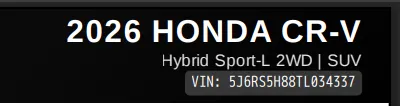
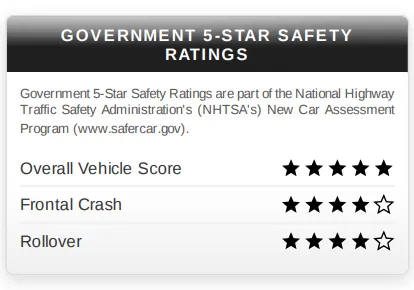
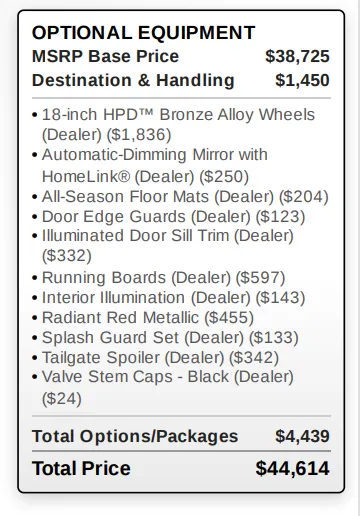
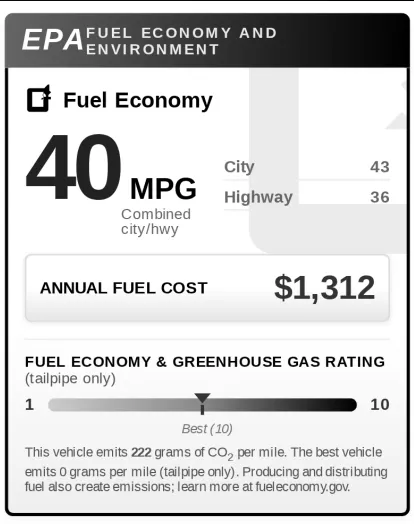
The make, model, and VIN; the final assembly point; standard equipment; every factory option and package with its own price; the base price, destination charge, and total MSRP; EPA fuel economy; NHTSA safety ratings where the vehicle has been rated; and parts-content information such as the country of origin of the engine and transmission.
Does the Monroney sticker show the price I paid?
No. It shows the manufacturer's suggested retail price (MSRP), which is the price before any dealer discount or markup, taxes, and fees. It is a starting point for judging a deal, not a record of what anyone paid.
Is a dealer addendum sticker the same as a Monroney sticker?
No. A dealer addendum is a separate label the dealership adds, listing dealer-installed items such as protection packages or nitrogen tires with the dealer's own prices. Only the Monroney label carries the manufacturer's factory equipment and pricing.
How do I get a Monroney sticker by VIN?
Find your 17-character VIN, enter it in the box at the top of this page, and we generate a factory-correct copy as a PDF in minutes. There is no dealer visit or wait, and if we cannot find your vehicle you are not charged.
Where do I find my VIN?
Look at the base of the windshield on the driver's side, on the sticker inside the driver's door jamb, or on your registration, insurance card, or title. VINs never contain the letters I, O, or Q, so a character that looks like one of those is a 1 or a 0.
Can I get a Monroney sticker for free?
Sometimes. A few automakers offer free lookups through owner accounts or their own tools, but coverage is usually limited to recent model years and often fails on older or resold vehicles. If a free option does not return your vehicle, our lookup is a paid alternative that covers most vehicles from 1981 to today.
Can I get a Monroney sticker for an older car?
Often, yes. We cover most US-market vehicles from the 1981 model year forward, the year the standard 17-character VIN was introduced. Coverage for a specific VIN depends on whether factory build data exists for it.
What if my VIN is not found?
You will not be charged. Re-check the VIN first, since one wrong character is the most common cause, and try again. Very new vehicles can also take a few weeks to appear in manufacturer data.
Is a regenerated sticker the same as the original paper label?
It is the same information, not the same piece of paper. We rebuild the label from manufacturer build data, so the equipment, pricing, and specifications match the vehicle as it was built, delivered as a PDF you can print or share. The original adhesive label itself cannot be recreated.
Will a Monroney sticker show if a car has been in an accident?
No. It documents how the vehicle was built and priced when new, not what has happened since. For accident, title, and ownership history you need a vehicle history report, which answers a different question.
How can I tell if a window sticker has been altered or is fake?
Check that the VIN on the sticker matches the VIN on the car, that the options and prices are plausible for that trim, and that no dealer-added items are mixed into the factory list. The surest check is to generate the factory label from the VIN and compare it line by line.
Can I use a Monroney sticker when selling my car?
Yes. It is the clearest proof of which factory options and packages the vehicle was built with, which helps justify your asking price and answers buyers' questions before they ask.
Is my VIN information secure?
Yes. We use industry-standard encryption and never share or sell your VIN or personal data.
How accurate is the Monroney Sticker?
Every sticker is built from manufacturer build data and cross-checked against EPA fuel economy records for maximum accuracy. NHTSA's free vPIC decoder confirms the same basic vehicle description, but it does not carry the full build sheet, options, or MSRP the way our lookup does.